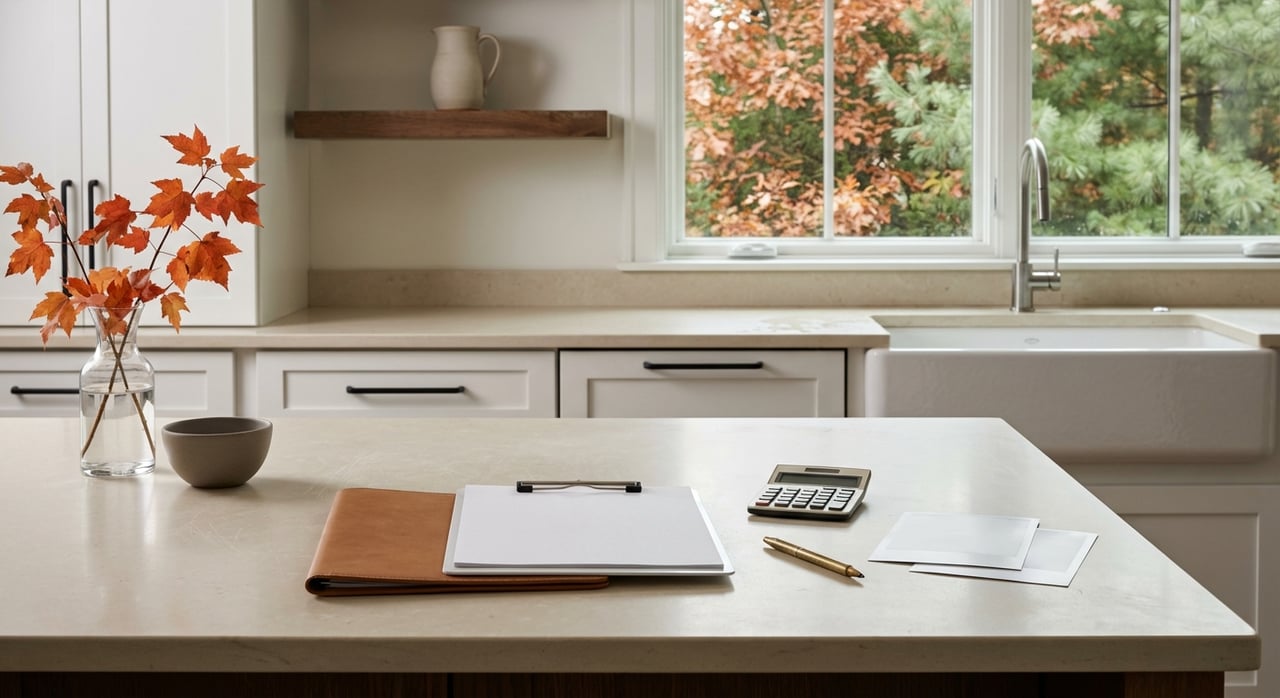
How To Price Your Brevard Home In Today’s Market
February 19, 2026
February 19, 2026
Is pricing the last thing standing between you and your next chapter? In a shifting market, the right list price does more than attract clicks. It sets the tone for showings, negotiations, and your final net. If you are selling in Brevard or anywhere in Transylvania County, you need local context and a clear plan. This guide shows you how smart pricing works here right now, what to ask your agent for, and how to avoid common mountain-market pitfalls. Let’s dive in.
Pricing starts with current market signals. For zip code 28712, Redfin reported a December 2025 median sale price near $540,000. At the city level, Realtor.com showed a Brevard median listing price around $598,575 with average days on market in the high double digits. Zillow’s Home Value Index for Brevard was roughly $453,000 in late January 2026, which is a broad indicator rather than a single-home value.
Across the Asheville region, inventory climbed in 2025 and average days on market pushed toward the 60s, with months of supply around 6 to 7 months, signaling a more balanced or buyer-leaning environment compared to 2021–2023. You can see that regional shift in the Asheville area market update.
A quick note on numbers: city, zip, and county stats measure different boundaries and time frames, so medians will not match exactly. Use these as context, then confirm street-level comps with a current CMA.
Your price starts with recent, similar solds. Strong comps match your micro-market, square footage, bed/bath count, lot size, and construction type. Appraisers generally require at least three credible comparables and clear, supportable adjustments. For a deeper look at appraisal standards, see this overview of property and appraisal requirements.
Brevard has mountain-market quirks. Two homes a mile apart can trade very differently because of acreage, driveway grade, access, or whether a lot is in town versus forested acreage. When perfect comps are scarce, agents widen the radius or timeframe and apply larger adjustments. That is normal in small markets. Appraisers often distinguish between neighborhood and broader market areas; here is a helpful explainer on how pros analyze those differences.
Condition matters more than fresh paint. Buyers in Brevard, including second-home and relocation buyers, favor turnkey homes. Visible deferred maintenance can push price reductions or inspection credits. If you are considering updates, smaller, high-impact projects often recoup more than big luxury overhauls. Guidance based on Cost vs. Value data suggests items like a garage door, front entry, minor kitchen refresh, siding, or deck projects tend to provide stronger short-term resale ROI than full gut remodels. Review a summary of those trends in this Cost vs. Value overview.
Where you sit in Brevard can shift price and speed. Downtown and walkable areas near Main Street, Brevard College, shops, and music venues often command a convenience premium and faster turns. Outside town, buyers value acreage, privacy, and water features. Long-term local demand drivers like Pisgah National Forest, DuPont State Recreational Forest, and the Brevard Music Center matter to both pricing and marketing. Learn more about the area’s anchors on the city’s About Brevard page.
If rental income is part of your story, factor in Brevard’s 2023 short-term rental updates (Ordinance 2023-37; UDO Section 3.6.A.3). The city restricted where new STRs are permitted, grandfathered existing ones, and instituted permits. That can narrow or reshape your buyer pool and impact value. Make sure you understand compliance and permitting. The city’s STR Task Force page outlines current rules and resources: Brevard STR information.
Contract price is not the same as appraised value. Lenders and appraisers rely on comparable sales and documented adjustments. If an appraisal comes in low, buyers and sellers often renegotiate or the buyer brings cash to bridge the gap. You can read a concise primer on appraisal expectations in the appraisal requirements overview.
Also watch mortgage rates. In early February 2026, the average 30-year fixed rate hovered near 6.1%, and even small rate moves can change affordability and demand. See the latest snapshot in this mortgage rate update.
Ask your agent to bring:
The first one to two weeks deliver peak attention. A correct price at launch attracts more showings and stronger offers. National analyses often point to late spring as a strong selling window, but Brevard’s outdoor calendar and festivals can shift local seasonality. Plan your debut for maximum visibility. For a broad view on timing, see this guide on the best time to sell a house.
Overpricing tends to increase days on market. As weeks pass and price cuts stack up, buyers gain leverage and your net often falls. In today’s more balanced environment, a measured opening price usually yields better traffic and cleaner negotiations than chasing the market down.
Set a check-in at 7 to 14 days to review showings, online engagement, and feedback. If activity is slow compared to similar listings, plan a staged reduction rather than many small cuts. Many agents use a 2 to 4 week reprice window and adjustments in the 3 to 6 percent range when warranted, calibrated to local MLS data and competing inventory. Revisit your pricing plan if your days on market drift above nearby comps.
Identify the 3 to 6 best sold comps from your micro-market that are closest in square footage, bed/bath count, lot size, and age. If solds are thin, expand the radius or timeframe and note why. Review the appraisal standards behind this process in the appraisal requirements overview.
Convert comparables to a baseline, often an average price per square foot and a value range. In Brevard, price-per-square-foot can be distorted by acreage or view premiums, so treat it as one lens, not the whole story.
Adjust for condition and features. Renovated kitchens, updated baths, new roofs, garages, usable acreage, water features, and utility status (well/septic) all move price. Example: a renovated kitchen versus original can justify a $20,000 to $50,000 difference depending on scope. For smart update choices, review this Cost vs. Value overview.
Overlay market velocity. If months of supply and days on market are rising, lean toward the middle or lower end of your range. If your submarket is tight and similar homes go pending quickly, you may price toward the high end. The Asheville region’s recent move toward balance is summarized here: regional market update.
Bring or have ready:
Consider targeted pre-list inspections for septic, well, roof, and wood rot, especially for rural or acreage properties. Local building and permitting offices can confirm whether past work required permits. Having documentation on hand builds buyer confidence and helps your agent defend price.
Ready to price with confidence? You deserve a local, builder-informed partner who knows Brevard’s neighborhoods, mountain lots, and buyer pools. If you want a clear, no-pressure pricing plan and a net sheet you can trust, connect with Cherie Goldsmith to Request Your Free Home Evaluation.
Stay up to date on the latest real estate trends.

Your New Favorite Paved Greenway for Biking, Walking, and Family Adventures in Western North Carolina

Our intent is to leave a legacy that speaks of honesty, allegiance to our community and the need to do the right thing without regard for monetary gain. We are available weekdays as well as weekends, call or email us for help with all your real estate needs.