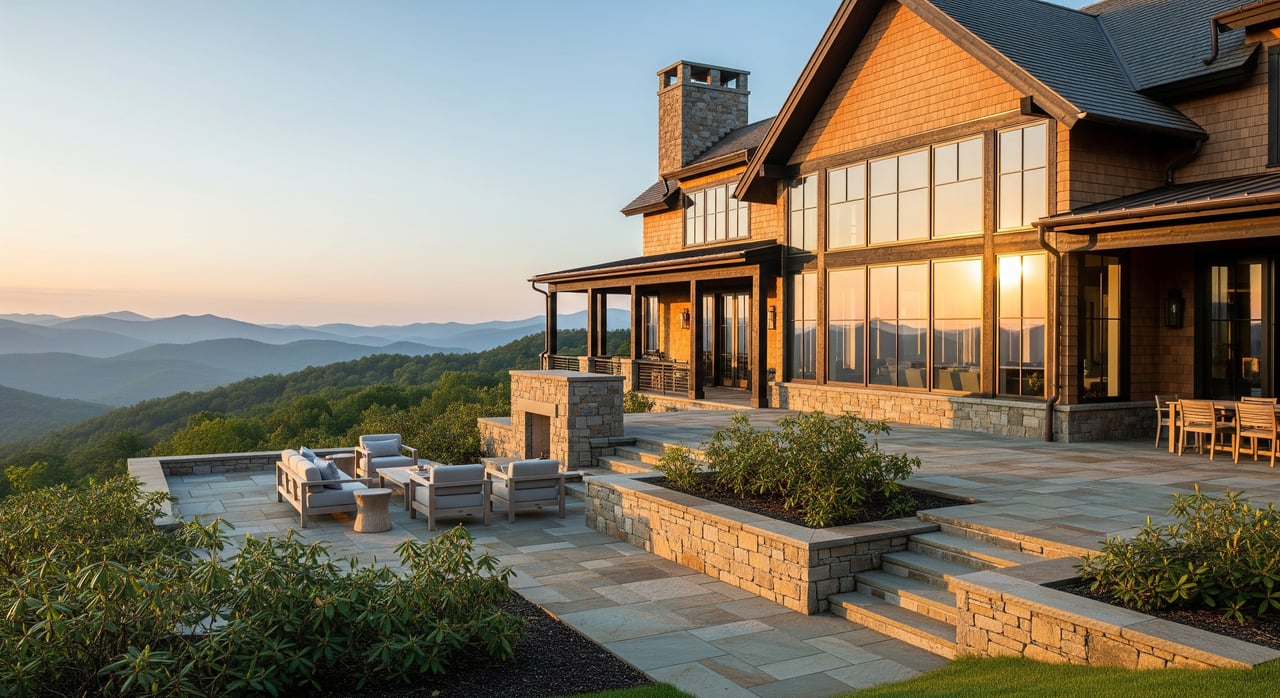
Thinking about buying land in Horse Shoe to build your mountain home or hold as a small investment? That’s an exciting move, but Western North Carolina lots can hide surprises under the surface and in the paperwork. With the right local questions, you can avoid costly detours and move forward with confidence. In this guide, you’ll learn exactly who to call, what to verify, and the key site features to check before you commit. Let’s dive in.
Start with permits and zoning
Your first stop is the county. For unincorporated Horse Shoe, building permits and inspections run through Henderson County Permits & Inspections. Contact the office early for site plan requirements, submittal checklists, and typical timelines.
Who issues permits?
Henderson County issues building permits, coordinates plan review, and performs inspections in Horse Shoe. If the parcel sits in a nearby town, ask if the county still handles your permits.
What does zoning allow?
Verify allowed uses, setbacks, height limits, buffers, and any special districts. Ask the Planning staff how floodplain or steep-slope standards could affect your buildable area.
Septic and well essentials
Many Horse Shoe lots rely on private septic systems and wells. You need county approval or feasibility from Environmental Health before a building permit can be issued.
Who approves septic and wells?
Henderson County Environmental Health issues permits for on-site wastewater and private wells. They accept several pathways for septic approvals, including engineered options and Authorized On-Site Wastewater Evaluators.
What records exist?
Ask the county for any prior records tied to the parcel. The county provides guidance on how to look up septic or well histories. Use the permit search tips to request past approvals or repairs.
What tests are needed?
Most lots will require soil evaluations and site reviews to determine septic type and location. If you see shallow rock, steep slopes, or wet areas, plan for engineered solutions and reserve areas.
Access and driveway rules
In the mountains, the driveway can be one of your biggest variables. The authority you work with depends on the road that serves your lot.
State or county road?
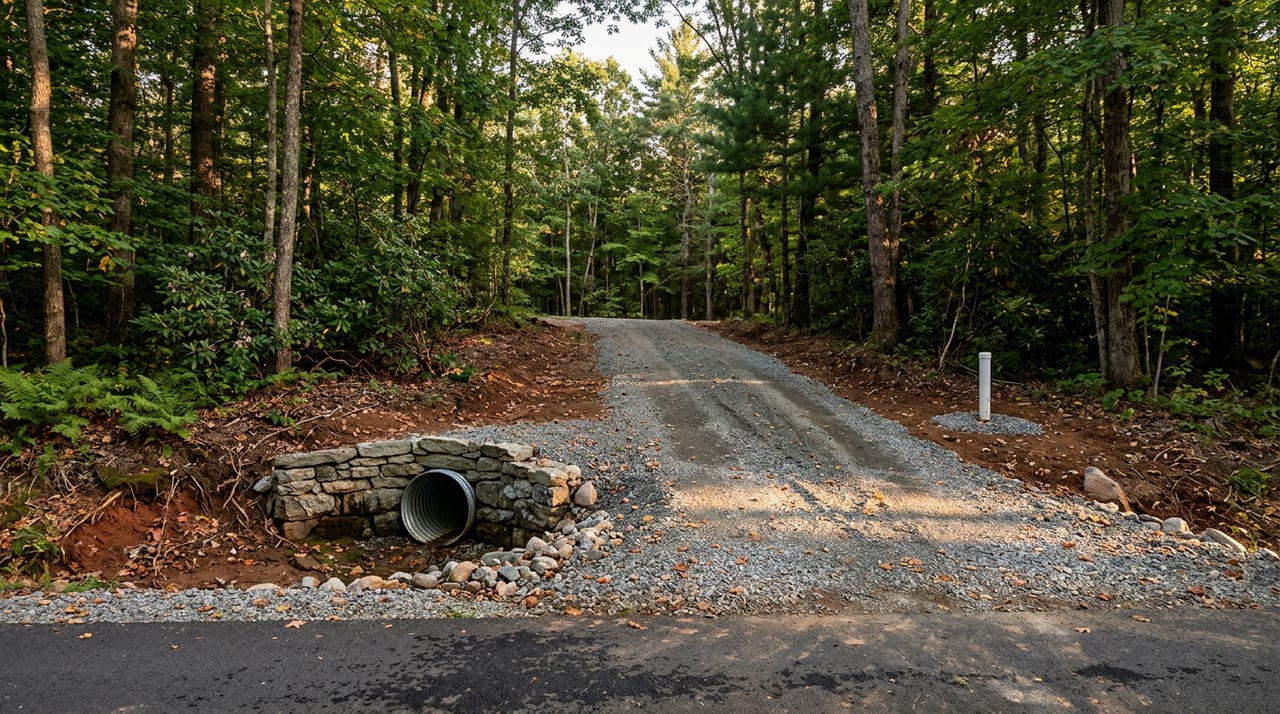
If your driveway connects to a state-maintained road, you will likely need an NCDOT access or encroachment permit. Early coordination helps you design safe geometry, sight distance, and drainage. Review NCDOT guidance in this summary document and contact the local District Engineer to confirm what applies: NCDOT driveway and encroachment guidance.
If the road is county-maintained, ask Public Works about right-of-way, culverts, and any encroachment requirements. Use the county’s GIS mapping system to verify road labels and maintenance notes.
Shared easements?
If access is through a shared private driveway or easement, the recorded document controls rights and maintenance. Ask for the recorded easement language and any maintenance agreements.
Floodplain and water features
Horse Shoe sits near the French Broad River and its tributaries. Parcels in Special Flood Hazard Areas have added rules for elevation and floodplain development.
If you see streams or low-lying areas on site, expect buffer requirements and potential approvals if impacts are planned.
Slope, soils, and buildability
Mountain terrain is beautiful and complex. Slopes, rock, and soil type shape your driveway, foundation, and septic design.
- Steeper slopes often mean engineered foundations, retaining walls, and more earthwork. Review county requirements for stabilization and disturbed areas in the Land Development regulations.
- Use the NRCS tool for an early look at your parcel’s soil map and limitations, then confirm conditions on site. Start with the NRCS Web Soil Survey. It’s not a substitute for test borings, but it flags potential issues.
Utilities to plan
Every address is different in Horse Shoe. Confirm what is available at the road and what it costs to extend.
- Power: Much of Henderson County is served by Duke Energy. Check service and extension policies through contacts referenced on the county’s Emergency Management page.
- Water and sewer: Many parcels use private wells and septic. Some areas may have access to public water or nearby sewer utilities. Verify service territory and availability with the City of Hendersonville Water Department at this customer information page.
- Internet: Availability varies by address. Ask sellers what they use and run address lookups with major providers.
Before any excavation, call 811 to locate public utilities.
Your first five calls
Use this simple flow to save time and avoid rework.
- Seller or listing agent: Request recorded surveys, easements, covenants, and any prior septic or well permits.
- Henderson County Permits & Inspections: Ask for the building permit checklist and site plan needs. Confirm zoning and any overlays.
- Environmental Health: Ask about prior septic or well records and the next steps for a site evaluation.
- Road authority: Determine whether the access connects to a state or county road, then contact NCDOT or county Public Works for driveway requirements.
- Utilities: Ask electric, water, and any sewer providers about service at the parcel and costs to extend if needed.
Due diligence checklist
Work this list before your contingencies expire.
- Title and easements: Order a title commitment and copies of recorded easements, covenants, and plats. Look for access rights, utility corridors, and use restrictions.
- Mapping and flood zones: Pull the parcel in the county’s GIS map and verify floodplain on the FEMA map.
- Environmental Health file: Request septic and well histories. If none exist, schedule a site evaluation and plan for soils testing using the county’s permit search steps.
- Soils and geotechnical: Run the NRCS soil map, then hire borings or a geotech if slopes or rock are likely.
- Access and driveway: Identify the road type. If state-maintained, discuss your concept early with NCDOT using this driveway guidance.
- Utilities: Get written quotes for power extensions. Ask Hendersonville Water about public water or sewer near the site and whether capacity is available.
- Wetlands and streams: If you see mapped streams or soggy areas, consider a wetland or hydrologic review and ask the county how buffers apply.
- Erosion and stormwater: If you plan to disturb 1 acre or more, expect an Erosion & Sedimentation Control Plan and county review under the Land Development regulations.
- Local pros: Line up a surveyor, septic designer, well driller, and a builder with mountain-lot experience. Permits & Inspections can point you to common local roles and submittals.
- Budget and timing: Get written estimates for driveway work, septic, well, clearing, erosion controls, and utility extensions. Permits can add weeks or months depending on scope.
Showing-day questions
Bring these to every land tour and note what you see.
- Access: Is the fronting road state, county, or private? Is there an existing driveway permit or culvert?
- Septic and well: Has a perc test or site evaluation been done? Any prior permit approvals or denials?
- Slope and soils: Do you see shallow bedrock, large boulders, or active erosion?
- Drainage: Any standing water, visible streams, or flood markers near the preferred house site?
- Utilities: Are there visible power poles, transformers, water meters, or sewer stubs at the road?
- Easements and HOAs: Are there shared driveways, recorded easements, or HOA rules that affect use or maintenance?
Common red flags
Watch for these conditions that can reshape your plan.
- Parcel inside a mapped floodway or regulated floodplain. Confirm on the FEMA Flood Map Service Center.
- Severe slopes with no natural building bench. County rules for grading, stabilization, and foundations are in the Land Development regulations.
- Hydric soils, wetlands, or stream buffers that compress the buildable area. Start with the NRCS soil map and verify in the field.
- No public utilities and challenging conditions for a standard septic system. Coordinate with Environmental Health on next steps.
- Driveway connections to state roads that require off-site improvements. Review NCDOT access guidance and speak with the District Engineer.
Budget items to plan
Every lot is unique, but most Horse Shoe projects consider these cost buckets:
- Driveway construction and culverts, including grading, drainage, and sight-distance clearing.
- Septic system design and installation, plus a reserve area on site.
- Foundation and retaining needs where slopes or rock require engineering.
- Private well drilling, pump, and water-quality testing if no public water is available.
- Erosion and sediment controls, especially if you plan to disturb 1 acre or more.
- Utility extensions or upgrades for power, and possible tap fees if public water or sewer is available.
Get written quotes tied to your actual site plan. Local contractors and the county can help you understand realistic sequencing and timing.
Local resources
Use these official resources as you evaluate any Horse Shoe lot:
If you want a steady, builder-informed partner as you sort permits, access, and site work, we’re here for you. Reach out to Cherie Goldsmith to talk through your plan and start a focused search in Horse Shoe and nearby communities.
FAQs
What permits do you need to build on land in Horse Shoe?
How do you check septic feasibility for a Horse Shoe lot?
Who approves a new driveway onto a state road near Horse Shoe?
- NCDOT typically permits driveways connecting to state-maintained roads; review this NCDOT driveway guidance and contact the District Engineer early.
How can you tell if a Horse Shoe parcel is in a floodplain?
What site conditions most often add cost on Horse Shoe lots?
- Steep slopes, shallow rock, stream buffers or wetlands, long driveways, engineered septic systems, and utility extensions commonly increase time and cost.
Where do you verify public water or sewer near Horse Shoe?
- Start with the City of Hendersonville Water Department’s customer information page and ask about service territory, available taps, and capacity at the parcel.