Brevard Housing Market Basics for New Buyers
January 15, 2026
January 15, 2026
Thinking about buying your first home in Brevard? You’re not alone. This small mountain town draws year‑round residents, retirees, and second‑home buyers who love trails, waterfalls, and a slower pace. If you’re new to Transylvania County, understanding how this market works will help you shop with confidence. In this guide, you’ll learn what’s on the market, how offers tend to move, what inspections matter in the mountains, and how to plan your budget and timeline. Let’s dive in.
Brevard is a smaller, locally driven market. Inventory ebbs and flows with the seasons, and there are fewer listings than in larger metro areas. Well‑priced homes that are move‑in ready and near town amenities can attract quick attention. Unique rural properties may take longer to sell due to access, condition, or specialized features.
Because inventory changes weekly, always verify current data before deciding on price or pace. Your best sources include:
If you prefer browsing, ask your agent to set up a personalized MLS search for Brevard 28712 and nearby rural areas within a 10‑mile radius. You can filter by price, beds, baths, and property type.
You’ll find a mix of in‑town homes and rural properties tucked into the hills. Typical options include:
Exact prices shift with the market. Use the following as a broad guide and confirm current ranges in the MLS as of the month you’re shopping.
This is typically the most budget‑sensitive segment. You might see smaller in‑town houses, manufactured homes on rural lots, compact cabins, or the occasional small condo or townhome. Condition varies, so plan for inspection‑related repairs.
Most buyers shop here. Expect many family‑size homes, renovated older properties, and newer homes in small subdivisions. Move‑in‑ready in‑town options often draw more showings and faster offers.
These homes include larger houses on acreage, properties with panoramic views, and well‑renovated historic residences. Mountain homes with prime outlooks or river access can command premium prices.
Custom estates and very large acreage parcels are less common in the county. These listings can be unique and may take longer to find and evaluate.
Living near downtown Brevard puts you close to shops, restaurants, and community events. Many buyers here value convenience and shorter drives. Lot sizes are typically smaller, and homes may be older with system upgrades to consider.
These areas offer scenic settings and recreation access. Always review flood considerations, insurance needs, and any related building or renovation constraints. Site‑specific due diligence is critical.
Privacy, tranquility, and potential views are common draws. These properties may involve steeper driveways, gravel roads, and longer drives to services. Budget for road maintenance and, in winter, plan for conditions that may impact access.
Larger lots and agricultural or forested character are typical. Many homes rely on septic and well systems. Clarify road agreements and who handles plowing and upkeep on private roads.
Seasonality matters. Spring and early summer often bring more listings and more buyer activity. Fall and winter can be calmer, though serious buyers shop year‑round. Days on market vary widely by price and condition. Move‑in‑ready properties near town may go under contract in days or a few weeks in active periods. Unique rural homes or listings that need extensive work can take months.
Multiple offers do occur, especially for well‑priced homes in popular areas or with strong amenities. Be ready with preapproval and clear terms. Your agent can advise on the pace within your price band as of the month you plan to submit offers.
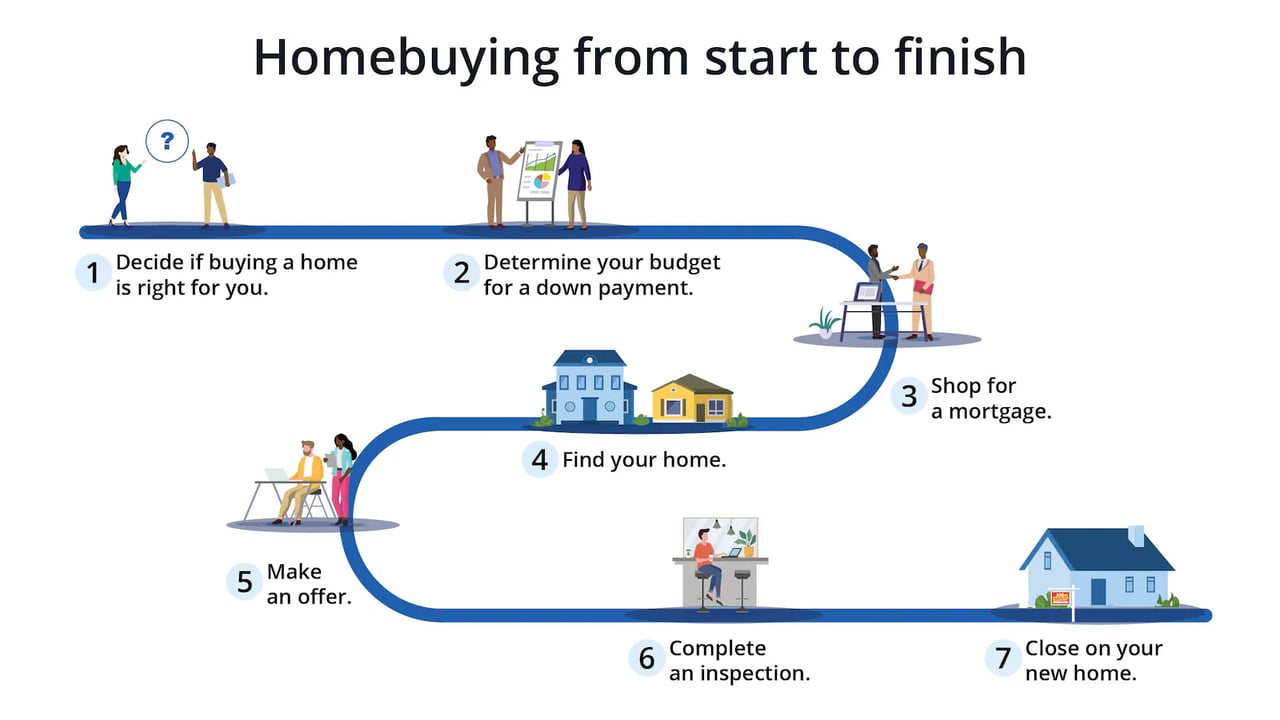
Use this as a planning guide. Your exact timeline will depend on inventory, financing, and property type.
Your total budget includes more than the purchase price. Build a buffer for the mountains’ unique needs.
Target the unique aspects of mountain living to avoid surprises.
Appraisals in rural or mountain settings can be tricky when comparable sales are limited. Work with lenders who know Transylvania County and understand local comps. If you plan to use USDA financing, confirm the specific parcel’s eligibility early. Local lenders and credit unions can be valuable for speed, communication, and on‑the‑ground insight.
Ask your agent to create a custom MLS portal with saved searches for Brevard 28712 and a 10‑mile radius to capture nearby rural parcels. Set alerts for your price band and must‑have features, like in‑town location, bed and bath count, or acreage. If you browse on large real estate websites, treat their numbers as estimates and verify with MLS data before making decisions.
Use this template with your agent so you always work from current numbers.
In the mountains, details like driveway slope, well yield, and septic capacity can make or break a deal. A contractor‑minded perspective will help you spot issues early, price renovations realistically, and plan access or drainage improvements. That kind of insight can save you time and protect your budget.
Ready to explore Brevard with a local, builder‑informed guide? Reach out to Cherie Goldsmith for a friendly, no‑pressure conversation about neighborhoods, timelines, and how to line up inspections and financing.
Stay up to date on the latest real estate trends.

Our intent is to leave a legacy that speaks of honesty, allegiance to our community and the need to do the right thing without regard for monetary gain. We are available weekdays as well as weekends, call or email us for help with all your real estate needs.